Why Youth Participation Matters
Table of Contents
Table of Contents
Young people are often called the backbone of change. With their energy, creativity, and strong social presence, they can transform how society views donations. Whether it’s blood, eye, or cadaver donation, active participation by college students and volunteers creates a ripple effect that saves millions of lives.
As Nelson Mandela once said: “The youth of today are the leaders of tomorrow.” By promoting donation awareness, young generations are shaping a healthier and more compassionate future.
1. Youth as Blood Donation Champions
Blood donation is one of the simplest and most impactful acts of service. Since most students fall into the healthiest age group (18–25 years), they form the largest potential donor base.
- College blood donation drives can save thousands of lives every year.
- Peer influence is strong—when one student donates, friends often follow.
- Young donors can bust myths about weakness or fear of needles through awareness talks.
2. Creating Awareness About Eye Donation
Eye donation is often overlooked due to myths. Young volunteers can make a difference by spreading correct information:
- Organizing pledge camps on campuses.
- Using Instagram reels, posters, and awareness walks to reach thousands.
- Sharing real stories of corneal transplant patients who regained vision.
👉 Learn more about our Lakshya Trust Eye Donation Program.
3. Inspiring Cadaver Donation Awareness
Cadaver donation requires long-term commitment, but awareness begins with conversations. Students can:
- Host lectures by doctors and professors to explain its importance in medical education.
- Use debates, stage plays, and awareness rallies to normalize the subject.
- Share information on how cadaver donation helps future doctors learn.
4. Power of Social Media
Today’s generation is the most digitally connected. Platforms like Instagram, YouTube, and X (Twitter) make it easy to spread donation-related information in minutes.
- Create reels or short videos debunking myths.
- Share infographics about eligibility rules.
- Use trending hashtags like #DonateLife #YouthForDonation.
5. Volunteering at Donation Camps
Beyond online efforts, physical presence matters. Students and young volunteers can:
- Assist during blood donation camps.
- Distribute pamphlets and register eye/cadaver donors.
- Encourage friends and families to pledge donations.
👉 Get started with our Lakshya Trust Donation Programs.
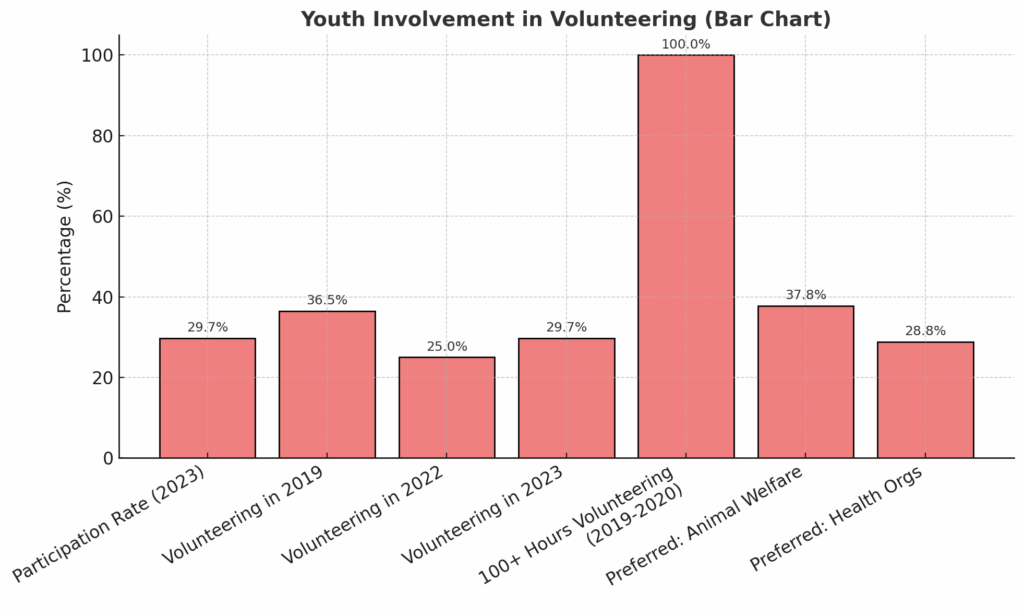
6. Passion that Drives Youth Volunteering
- Youth are naturally drawn to causes that connect with their emotions and values.
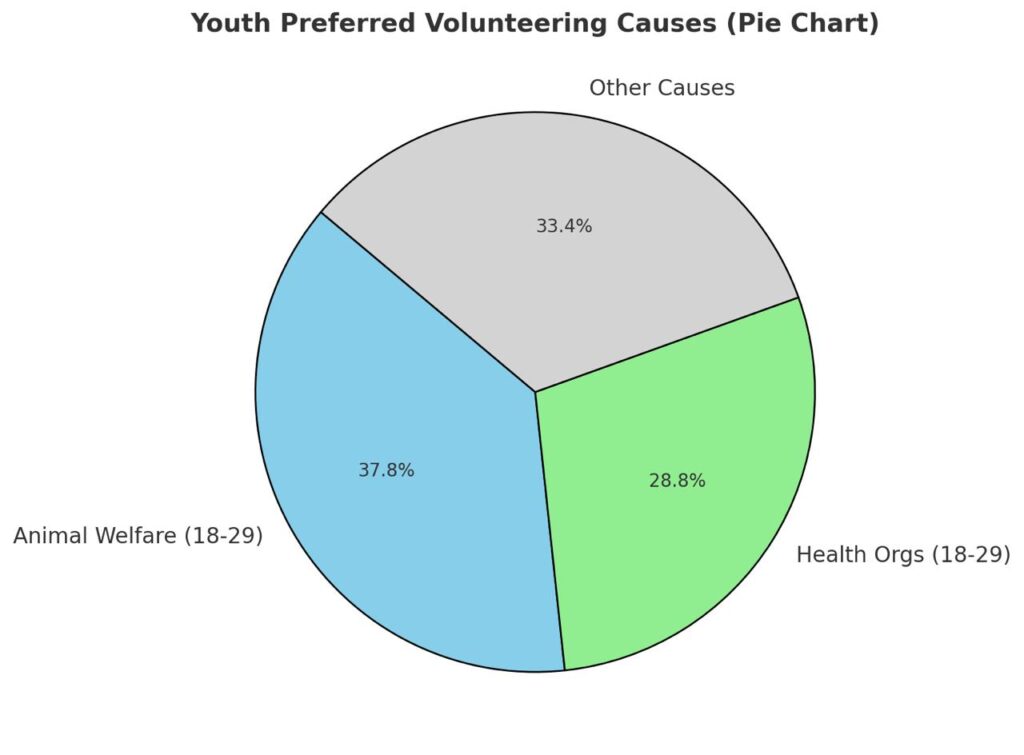
- Many dedicate their time to areas like animal welfare and healthcare, where their efforts bring visible change.
- Their compassion and enthusiasm make them powerful advocates for these causes.
- Their involvement often inspires families and peers, creating a ripple effect of kindness in communities.
Students often listen to peers more than authority figures. By becoming peer educators, they can:
- Conduct workshops in schools and colleges.
- Share personal experiences about donating.
- Build a culture where donation becomes a natural act of kindness.
7. Youth Driving Community Connections
One of the strongest qualities of young people is their ability to connect communities. College students often act as a bridge between rural and urban populations, spreading accurate information where awareness is still low. By conducting street plays, health talks, and community rallies, youth ensure that messages about blood, eye, and cadaver donation reach families who may otherwise never hear about them.
Creating a Long-Lasting Legacy
Donation awareness isn’t just about today—it’s about tomorrow. By stepping up, young people ensure that their generation grows up free from myths and fears around donation. Their efforts can:
- Reduce blood shortages.
- Help more blind people regain sight.
- Support medical education with dignity and respect.
Be the Change – Start Now
The strength, voice, and networks of young people can transform society’s mindset about donations. By pledging blood, eyes, or cadaver donation—and inspiring peers to do the same—they leave behind a legacy of compassion.
Take the pledge today with Lakshya Trust Donation Programs and lead the change.